Yajna and puja are two key forms of Hindu worship. Yajna centres on a sacred fire, Vedic mantras and offerings of ghee, grains and herbs to Agni, while puja is devotional worship of a deity with flowers, incense, a diya and aarti. Though different in form, both express reverence and offering, and some ceremonies blend the two.
Difference Between Yajna and Puja
Yajna vs Puja: No doubt, the comparison between the two is huge, as far as Hindu ways of worship, and that is Yajna vs Puja. Though they are both forms of propitiation, they are of a different sort, and they differ in their objectives in ritual form. The difference between yajna and puja will give an idea of the different forms of worship that the Hindus practised through the ages.
What Is Yajna?
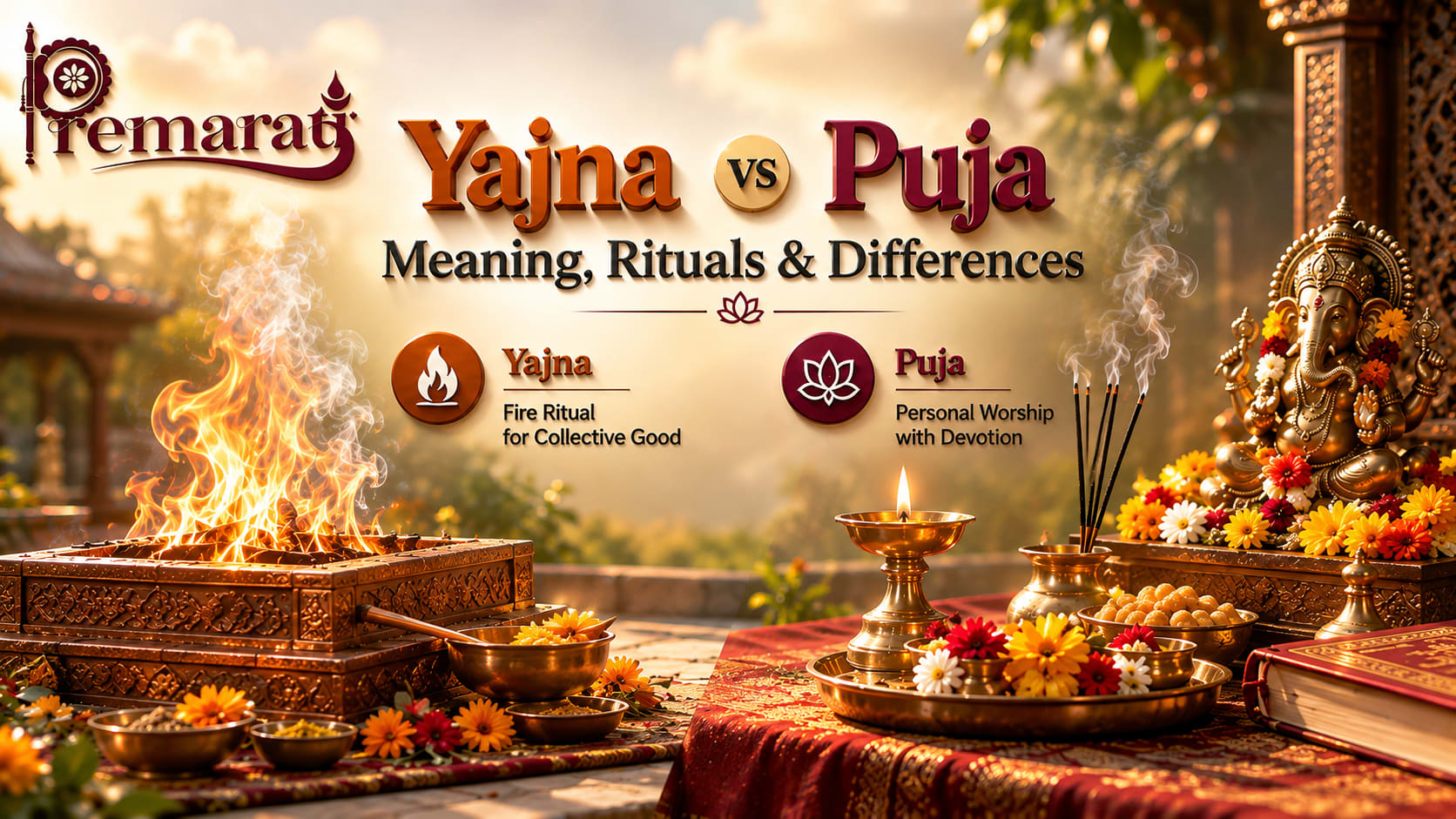
Hindu yajna is a fire yajna, i.e., a sacrifice in which the sacred fire is the focus. The sacred fire is called the Agni. In a Vedic yajna, one can pour offerings such as Ghee, grains, herbs or preparations offered from a text or from prescriptions into the fire, and one may recite mantras.
Fire for the Culture: The Vedic Culture. The fire is therefore an important religious entity because it is by means of Agni that the offerings are symbolically delivered. That is why the term yajna is the same as the Vedic culture and the offering of fire.
Yajna is a ritual that could be done for blessings, thanksgiving, wealth, and purity, and for any specific ceremony for life and community. It is carried out according to its method, as it varies according to the kind of yajna and tradition it follows.
What Is Puja?
Devotional Worship: To perform the puja, one would make offerings, prayers, and other devotional actions towards an individual or deity. The yajna is a fire sacrifice; therefore, a puja does not necessarily require a sacrificial fire. Unlike yajna, the puja does involve an altar.
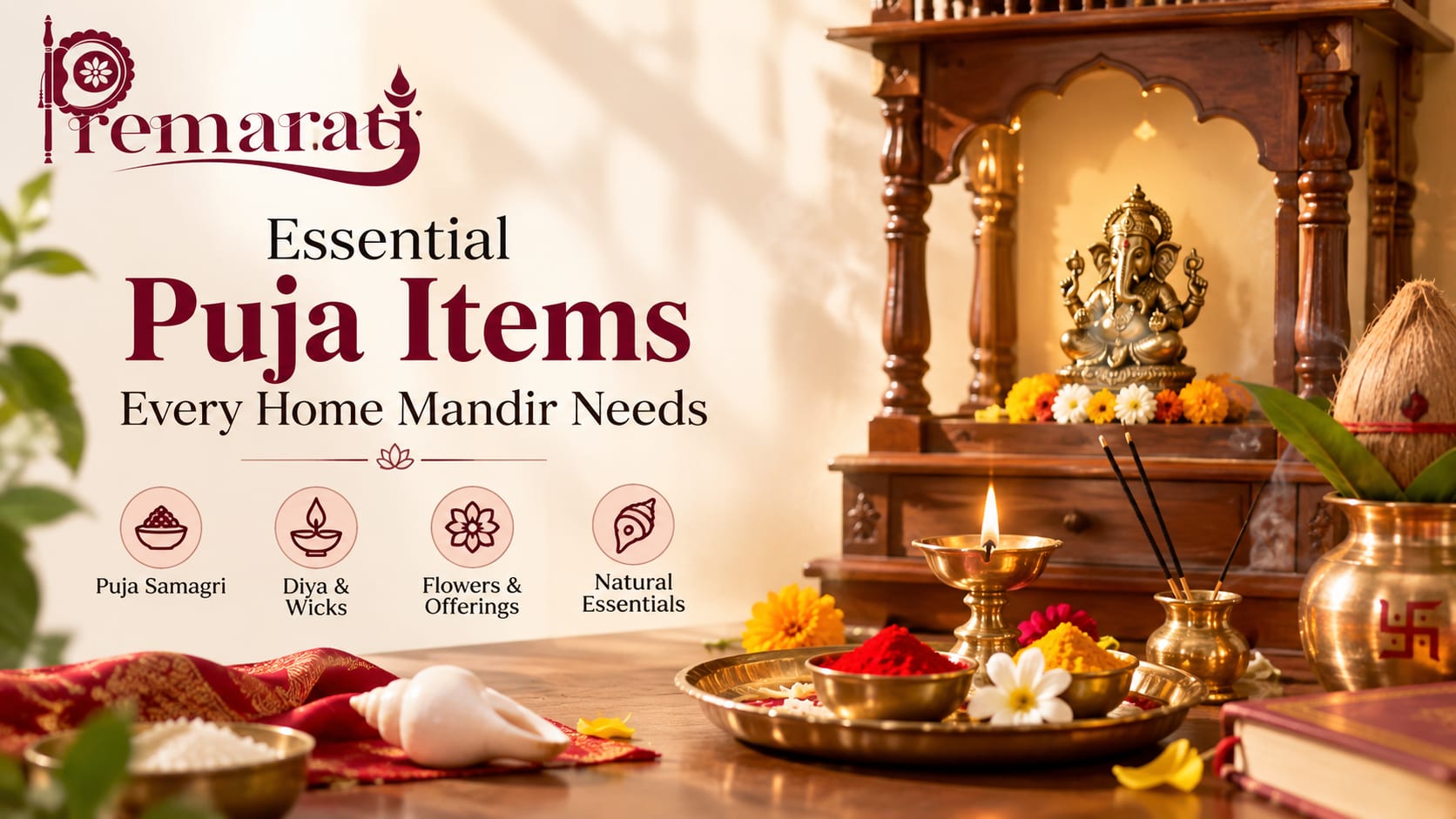
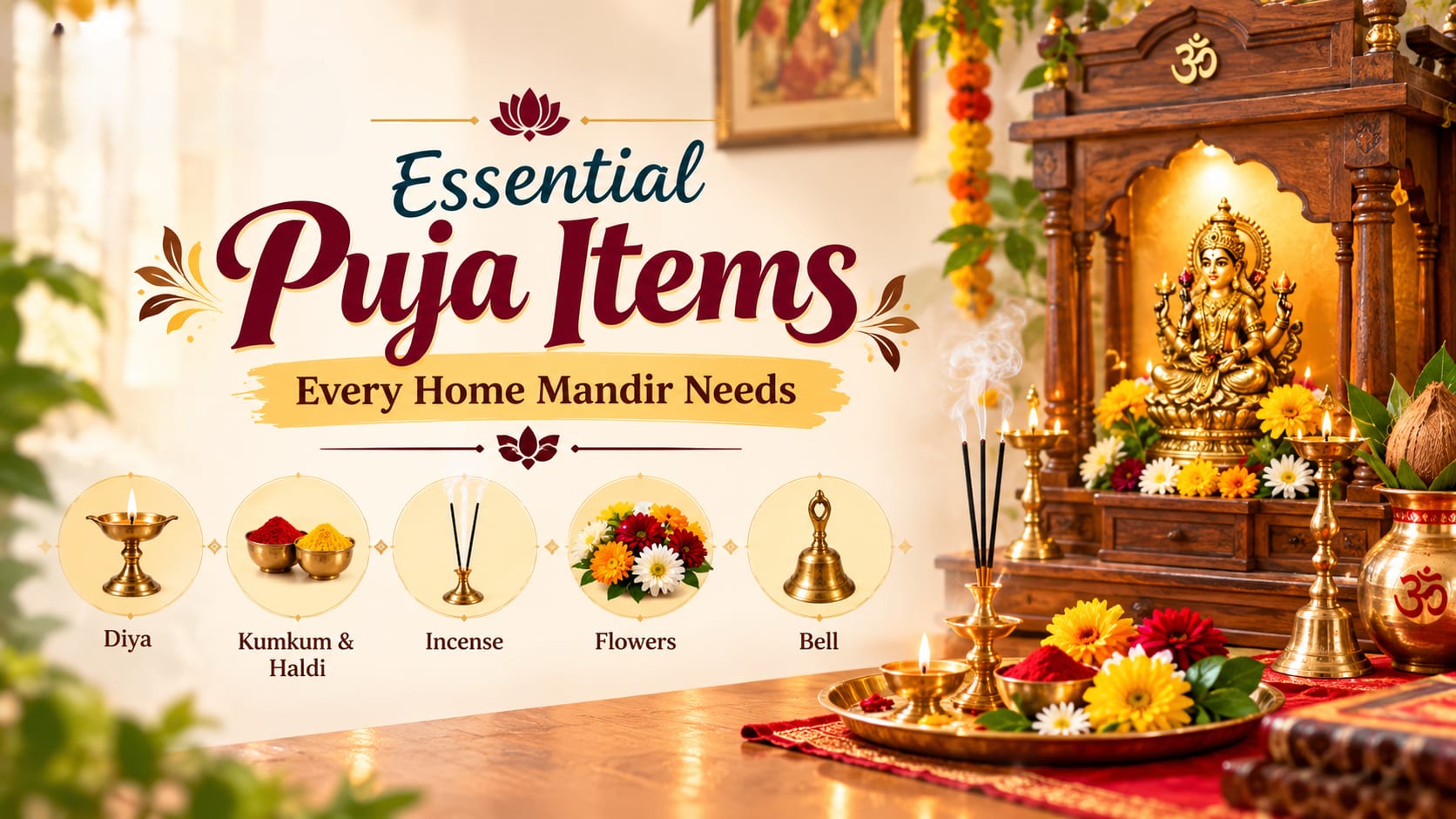
Generally, during a puja, one of the items would be a murti or idol, incense, flowers, food offering, diya or lamp lit during the puja, water, mantra and then prayer and aarti. Many of the items that you would serve in the puja can be used as a prasad or remain in the puja process.
For this very reason, puja worship is easily performed in monasteries, homes, and festivals. Any prayer or temple ceremony (puja) at home can be either simple or elaborate.
Yajna Difference Puja: Key Point
The general idea of the difference between yajna and puja is to look at what has been performed at the centre of the puja.
The sacred fire and Recitation of the Vedic consecration ceremonies and offerings are the core of the Yajna tradition. The essence of puja is to honour a deity in love with offerings, prayers, postures, etc., and to worship the deity.
However, the distinction is not definitive. For many years, there has been interaction between the Vedic ritual and the temple tradition and devotional practices. Elements of yajna and puja may be part of some ceremonies.
Yajna & Puja in Hinduism: Connections between them.
Though their differences are great, yajna and puja do have shared essential messages of respect, offering and communion with God.
Flowers, Incense, Food, lamps, and water are often part of puja and ghee and grains are part of yajna. These can both contain mantra and prayer, but the form of the ritual and the way and time of saying it are different.
Seeking the right Puja Essentials with Premarati
It is advantageous to know about the distinctions so that the worship preparation will be weighty. Premarati helps with Hindu religious ceremonies connected to or administered for a relationship; it is a collection of items used to mark the preparation with a Balinese spa & wellness.
Premarati assists in maintaining a conscious and complete method of devotion, in gathering material for a puja thali, a diya, flowers, incense or any of the other things that are integral to a traditional ceremony.
One Tradition, Different Expressions
As can be seen from the earlier rituals of the Yajna and the puja, the practice of Hinduism always consists of various modes of worship. The Yajna is a technique of Fire and Offering; puja is an act of Love that provides adaptability for worshipping god.
So, as far as the realisation of the essence of the properties of Yajna and Puja, it is not a matter of which of these. It is about understanding how these phenomena of Hindu spiritual practice are relevant to them today and how they serve as channels for reverence, devotion and sacredness in a distinctive way.
Yajna offers to the fire; puja offers to the heart. Both lead you closer to the divine. One tradition, many ways to worship. Prepare each one with love.